Italienische Reise · Campania 1787

Grand Tour

Retrace and read the stages of the Italian Journey

The itinerary

On the map

  • Garigliano · Sant’Agata

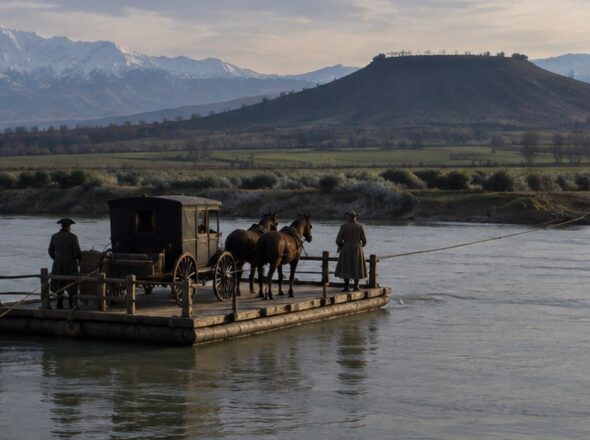
    After crossing the Garigliano on the Via Appia, Goethe enters the land that is today Campania: fertile fields, the first hill of volcanic ash, mountains crowned with snow.
  • Capua · The plain and the arrival in Naples

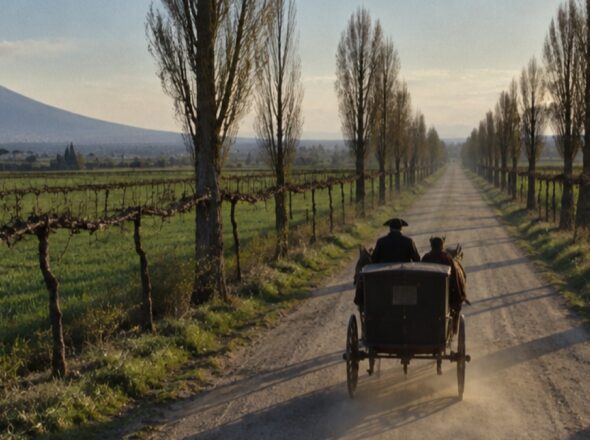
    A halt at Capua, then the broad road through wheat «like a carpet», poplars and vines strung like nets, with smoking Vesuvius always on the left.
  • Naples · Locanda Moriconi

    «Alla Locanda del Sgr.

  • Naples · The Posillipo Grotto

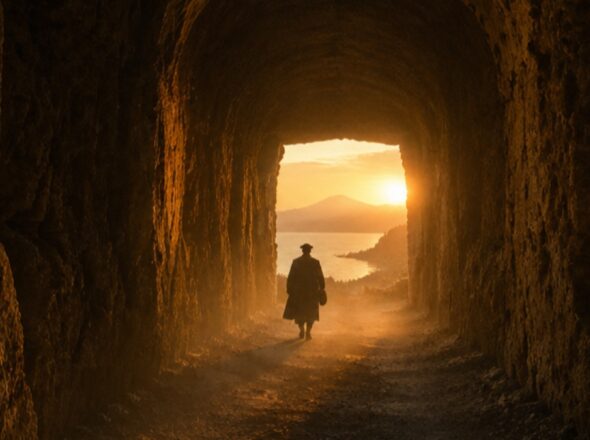
    On the evening of 27 February Goethe enters the Posillipo grotto as the setting sun shines through it.
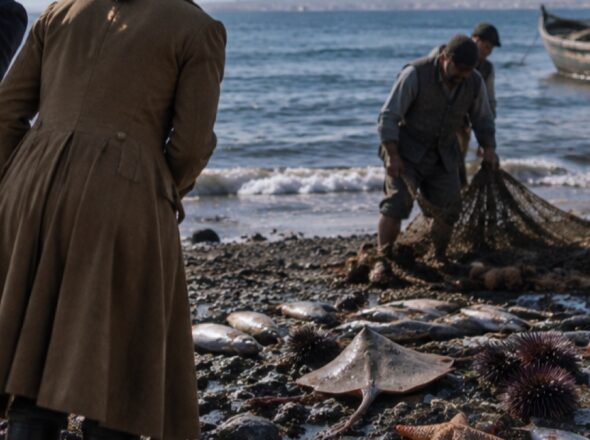
  • Naples · Palazzo Francavilla, visiting Hackert

    First visit to Jakob Philipp Hackert, the landscape painter favoured by the king and queen, who lives in a wing of the Palazzo Francavilla: a man who combines incessant work with the enjoyment of life.
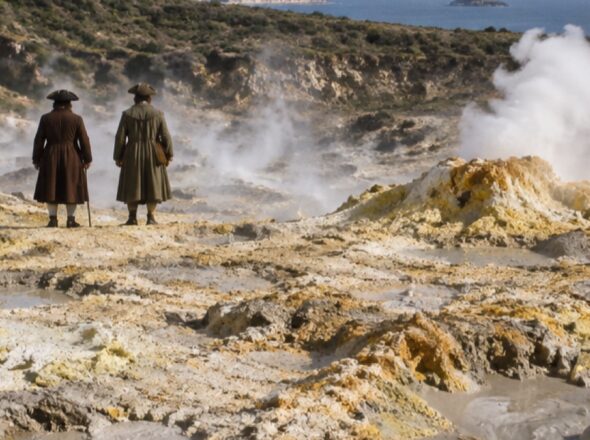
  • Pozzuoli · The Phlegraean Fields

    Instead of Vesuvius, a boat trip to Pozzuoli with the Prince of Waldeck: «the clearest sky above, the most unstable ground below».
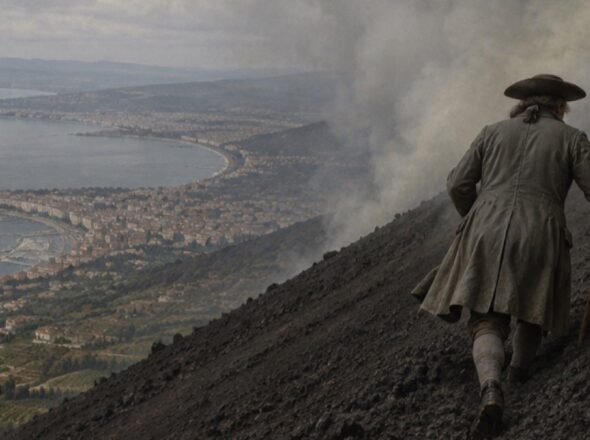
  • Vesuvius · The first ascent

    On 2 March, under a gloomy sky, from Resina by mule and then on foot over the lava of 1771 up to the filled-in crater.
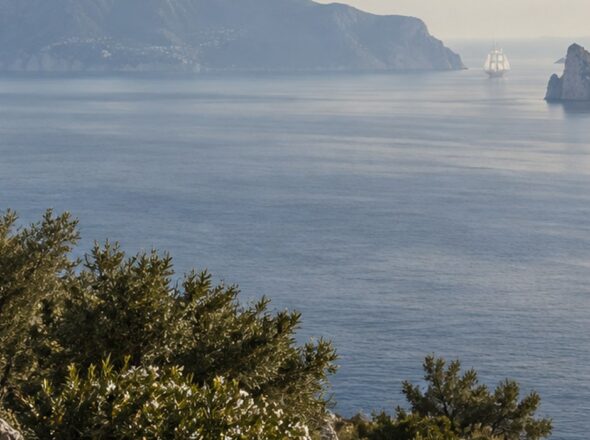
  • Capri and Punta Campanella · From the sea

    Three views from the sea: the sails of the Palermo frigate vanishing between Capri and Capo Minerva; the dawn of the departure for Sicily, with Kniep drawing the coasts; and on the return, on 14 May, the most beautiful sunset of the journey and the current driving the ship towards the cliffs of Capri, to the brink of shipwreck.
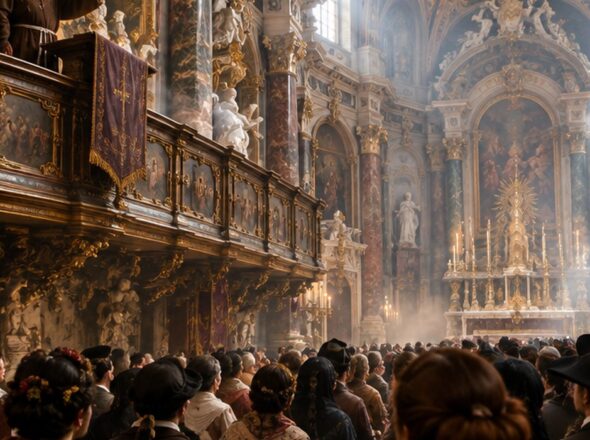
  • Naples · The painted churches

    The second Sunday in Lent, from church to church: in Rome everything is solemn, here all is merry.

  • Naples · Chiaia under the full moon

    A full-moon night on the Chiaia, «that endless promenade», and then back and forth along the shore: beyond telling, it gives a feeling of the infiniteness of space.

  • Naples · Gaetano Filangieri and Vico

    The portrait of Cavaliere Filangieri, author of the Science of Legislation: soldier, cavalier and man of the world, tempered by fine moral feeling.

  • Vesuvius · The second ascent

    With Tischbein, who loathes the shapelessness of the volcano: two guides haul them up by a leather strap.

  • Naples · Palazzo Colubrano, the horse’s head

    In the courtyard of the Palazzo Colubrano, above a fountain, the colossal bronze horse's head: mighty brow, quivering nostrils, pricked ears.

  • Naples · Capodimonte

    With the Prince of Waldeck to the great collection of paintings, coins and gems at Capodimonte.

  • Pompeii · The mummified city

    With Tischbein at Pompeii: straight streets, windowless houses, public buildings like models, yet walls painted with a taste that belongs to a whole people.

  • Torre Annunziata · The pergola by the sea

    The strange, half unpleasant impression of the mummified city is washed away by a frugal meal under the arbour of a small inn by the sea.

  • Naples · Via Toledo and the Molo

    Boys soaking up the last warmth of a wheel-rim heated on the paving, the boundless crowd in which Goethe feels alone and calm, the blood of San Gennaro against the nearby inferno, a Pulcinella quarrelling with a monkey on the Molo and the fritter-makers of St Joseph's Day: the people of Naples in March.

  • Naples · Santa Lucia and the lazzaroni

    Against Volkmann's guidebook and its «forty thousand idlers», Goethe goes hunting for lazzaroni and finds only people at work: porters, fishermen, children gathering wood shavings, street sweepers with their donkeys.

  • Naples · Dinner with the princess

    Believing her as poor as the Filangieris, Goethe finds himself in the little princess's sumptuous palace, with liveried servants lining the stairs: he feels like the sultan in Wieland's fairy tale.

  • Caserta · The palace, Hackert and Emma

    A guest of Hackert in the old palace, beside the new one «like the Escorial».

  • Herculaneum · The buried theatre

    The city at the foot of Vesuvius lies buried under sixty feet of material.

  • Portici · The Herculaneum Museum

    At the Portici museum drawing and note-taking are forbidden, and perhaps for that reason one looks all the better.

  • Vesuvius · The third ascent, the lava

    A lava flow invisible from Naples is descending towards Ottaviano: a third ascent.

  • Naples · Palazzo Sessa, Hamilton and Emma

    Hamilton has made a fine life for himself: rooms in the English taste and a corner view perhaps unique, and after ranging through every realm of creation he has arrived at a beautiful woman.

  • Cava de’ Tirreni · The gorge and Kniep’s first drawing

    In the light two-wheeled carriage, taking turns at the reins, Goethe and Kniep cross the gorge between woods and rocks.

  • Salerno · The window on the gulf

    In the evening Kniep draws from the windows at Salerno a view that spares all description; Goethe imagines how fine it would have been to study here in the days of the School.

  • Paestum · The Doric temples

    The pact with Kniep: they will live and travel together, he will only draw, and the outlines will belong to Goethe.

  • Naples · Kniep’s rooftop terrace

    Tischbein proposes the young landscape painter Kniep as a permanent companion.

  • Naples · The Molo, departure and return

    The corvette built in America, the cabin, the bills and farewells; the Marchese Berio eager to meet the author of Werther.

  • Naples · The Molo, the night of the lava

    At night on the Molo, in a single glance: the moon, the clouds, the reflection on the sea, the lighthouse lamps, the fire of Vesuvius.

  • Naples · The Royal Palace, the window on Vesuvius

    On the evening of 2 June, with the Duchess of Giovane, a cultivated young German lady.

  • Naples · The barrier, Kniep’s farewell coffee

    Goethe drives for the last time through the endless life of the city.

The journey, day by day

The stages

From the crossing of the Garigliano on 24 February 1787 to the last toll barrier of Naples on 3 June: thirty-two stages retrace Goethe’s months in Campania through the pages of his journal, the works of the painters who travelled with him, and the places as they were and as they are today.

After crossing the Garigliano on the Via Appia, Goethe enters the land that is today Campania: fertile fields, the first hill of volcanic ash, mountains crowned with snow.

A halt at Capua, then the broad road through wheat «like a carpet», poplars and vines strung like nets, with smoking Vesuvius always on the left.

On the evening of 27 February Goethe enters the Posillipo grotto as the setting sun shines through it.

First visit to Jakob Philipp Hackert, the landscape painter favoured by the king and queen, who lives in a wing of the Palazzo Francavilla: a man who combines incessant work with the enjoyment of life.

Instead of Vesuvius, a boat trip to Pozzuoli with the Prince of Waldeck: «the clearest sky above, the most unstable ground below».

On 2 March, under a gloomy sky, from Resina by mule and then on foot over the lava of 1771 up to the filled-in crater.

Three views from the sea: the sails of the Palermo frigate vanishing between Capri and Capo Minerva; the dawn of the departure for Sicily, with Kniep drawing the coasts; and on the return, on 14 May, the most beautiful sunset of the journey and the current driving the ship towards the cliffs of Capri, to the brink of shipwreck.

The second Sunday in Lent, from church to church: in Rome everything is solemn, here all is merry.
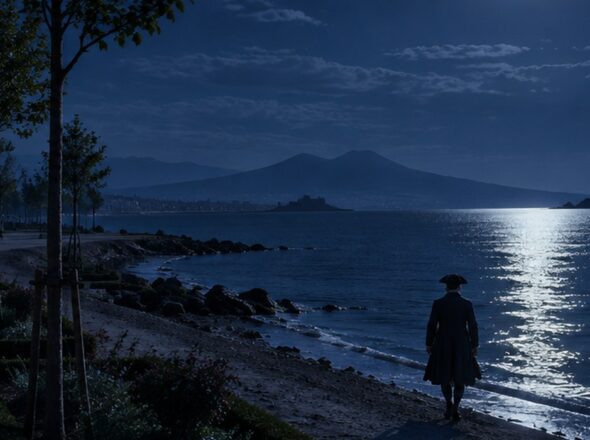
A full-moon night on the Chiaia, «that endless promenade», and then back and forth along the shore: beyond telling, it gives a feeling of the infiniteness of space.
The portrait of Cavaliere Filangieri, author of the Science of Legislation: soldier, cavalier and man of the world, tempered by fine moral feeling.
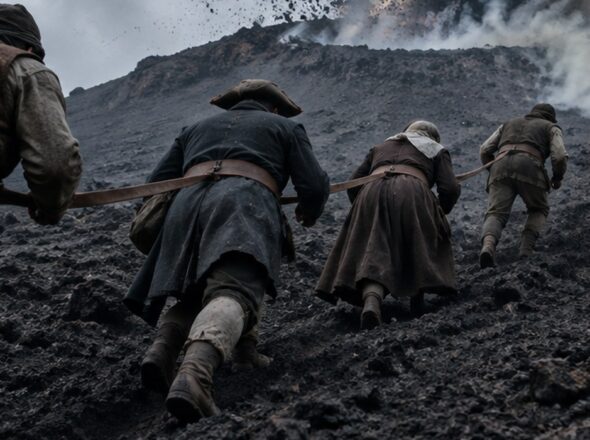
With Tischbein, who loathes the shapelessness of the volcano: two guides haul them up by a leather strap.
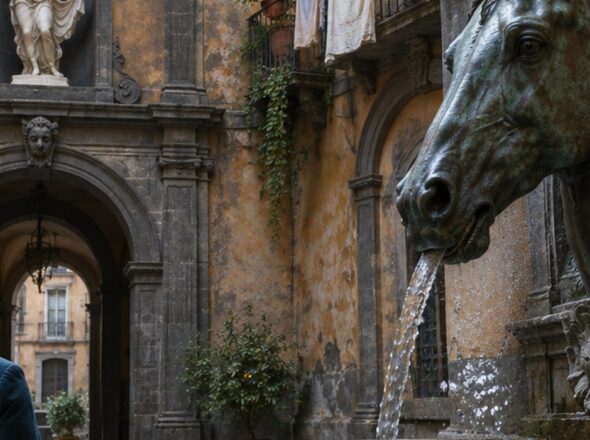
In the courtyard of the Palazzo Colubrano, above a fountain, the colossal bronze horse's head: mighty brow, quivering nostrils, pricked ears.
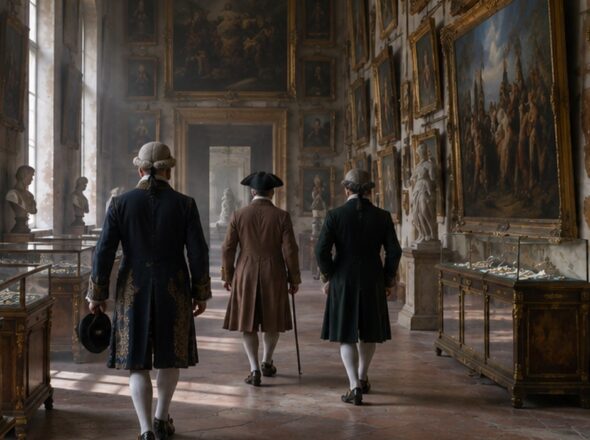
With the Prince of Waldeck to the great collection of paintings, coins and gems at Capodimonte.
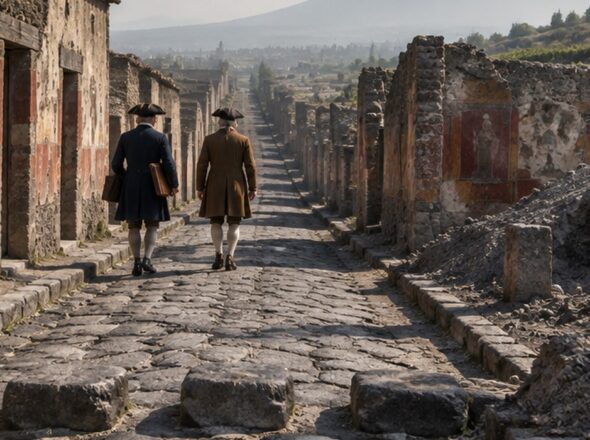
With Tischbein at Pompeii: straight streets, windowless houses, public buildings like models, yet walls painted with a taste that belongs to a whole people.
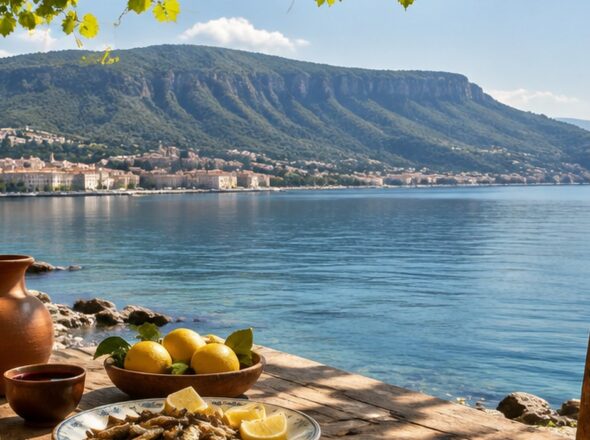
The strange, half unpleasant impression of the mummified city is washed away by a frugal meal under the arbour of a small inn by the sea.
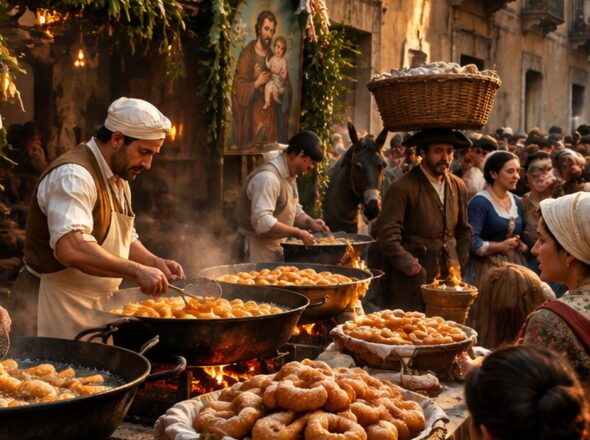
Boys soaking up the last warmth of a wheel-rim heated on the paving, the boundless crowd in which Goethe feels alone and calm, the blood of San Gennaro against the nearby inferno, a Pulcinella quarrelling with a monkey on the Molo and the fritter-makers of St Joseph's Day: the people of Naples in March.
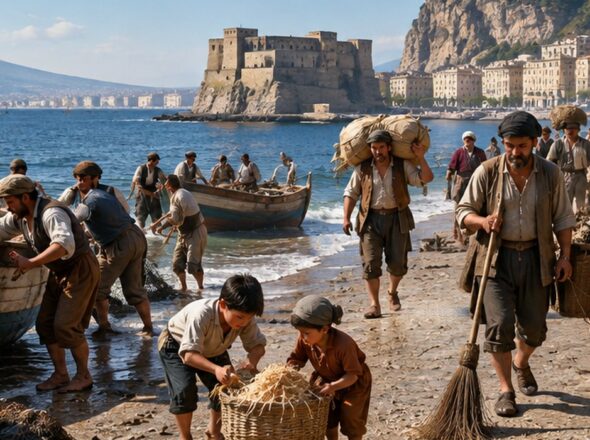
Against Volkmann's guidebook and its «forty thousand idlers», Goethe goes hunting for lazzaroni and finds only people at work: porters, fishermen, children gathering wood shavings, street sweepers with their donkeys.
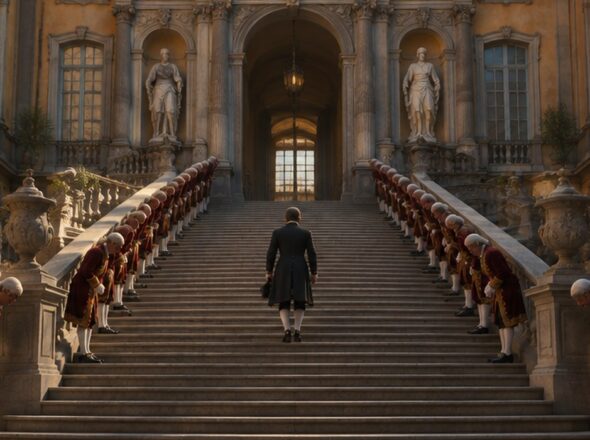
Believing her as poor as the Filangieris, Goethe finds himself in the little princess's sumptuous palace, with liveried servants lining the stairs: he feels like the sultan in Wieland's fairy tale.
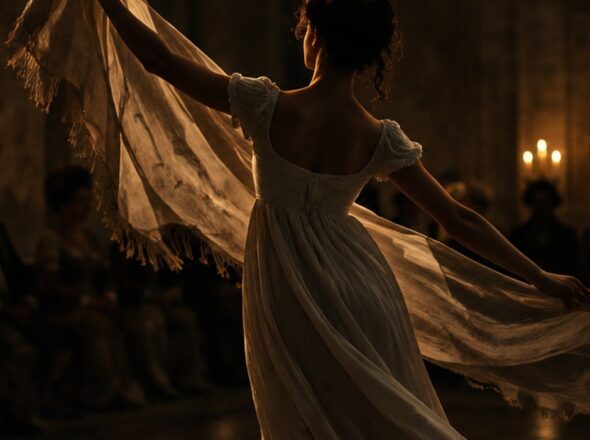
A guest of Hackert in the old palace, beside the new one «like the Escorial».
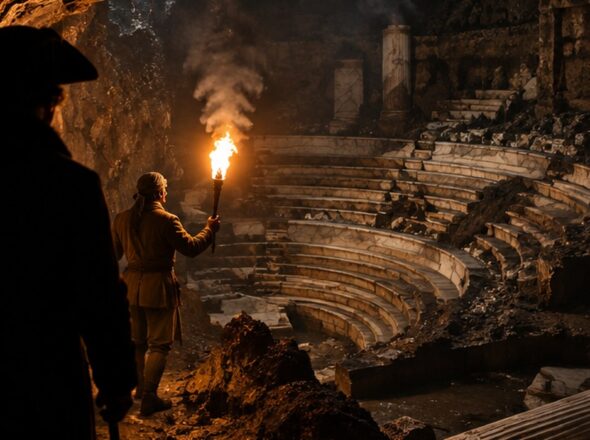
The city at the foot of Vesuvius lies buried under sixty feet of material.
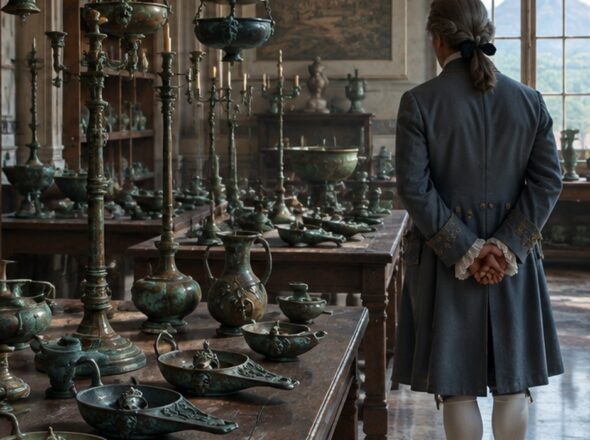
At the Portici museum drawing and note-taking are forbidden, and perhaps for that reason one looks all the better.
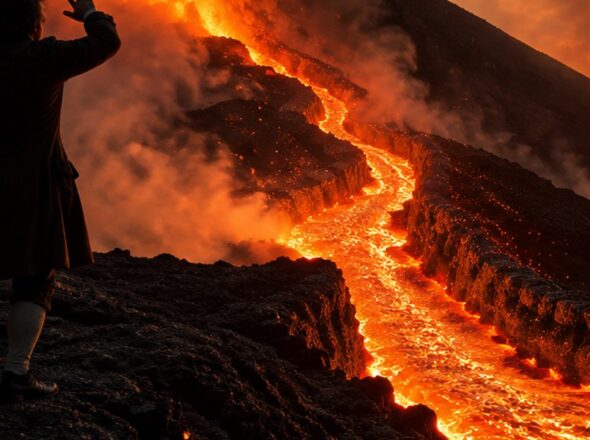
A lava flow invisible from Naples is descending towards Ottaviano: a third ascent.
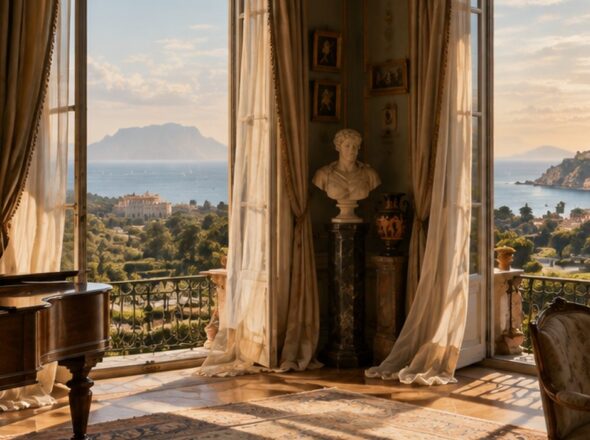
Hamilton has made a fine life for himself: rooms in the English taste and a corner view perhaps unique, and after ranging through every realm of creation he has arrived at a beautiful woman.

In the light two-wheeled carriage, taking turns at the reins, Goethe and Kniep cross the gorge between woods and rocks.
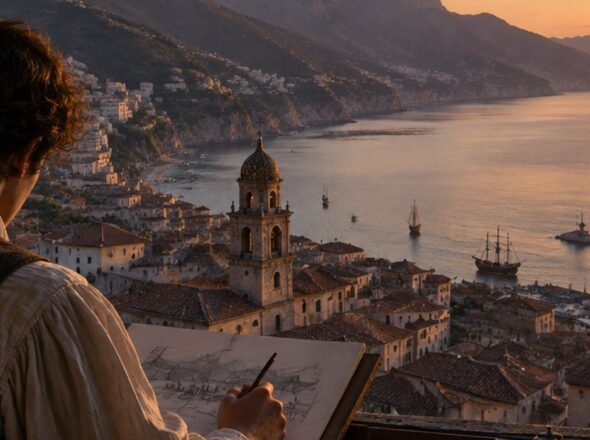
In the evening Kniep draws from the windows at Salerno a view that spares all description; Goethe imagines how fine it would have been to study here in the days of the School.
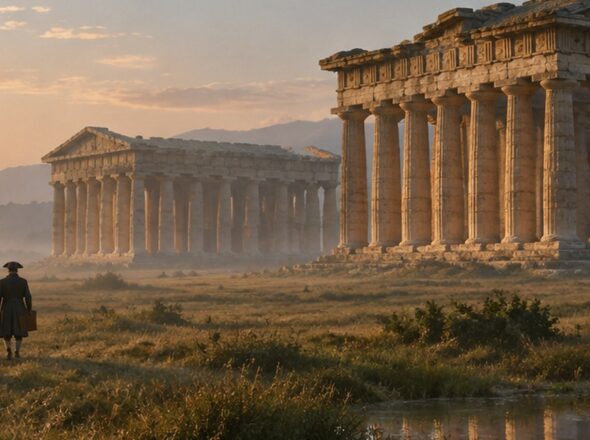
The pact with Kniep: they will live and travel together, he will only draw, and the outlines will belong to Goethe.
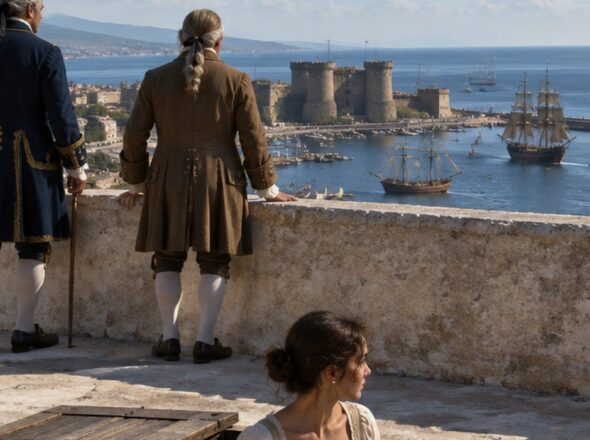
Tischbein proposes the young landscape painter Kniep as a permanent companion.
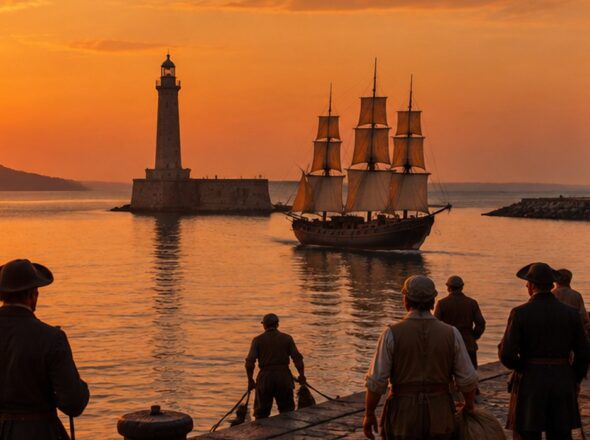
The corvette built in America, the cabin, the bills and farewells; the Marchese Berio eager to meet the author of Werther.
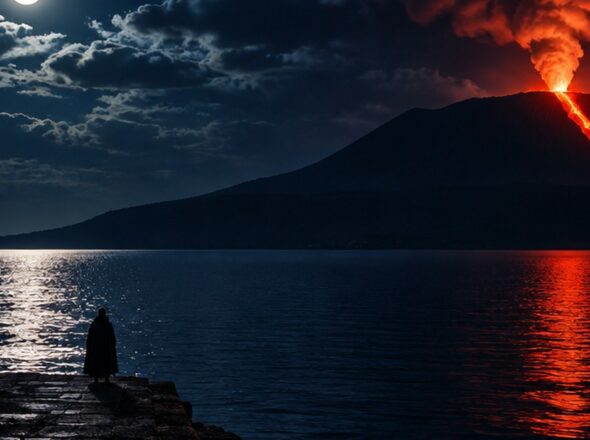
At night on the Molo, in a single glance: the moon, the clouds, the reflection on the sea, the lighthouse lamps, the fire of Vesuvius.
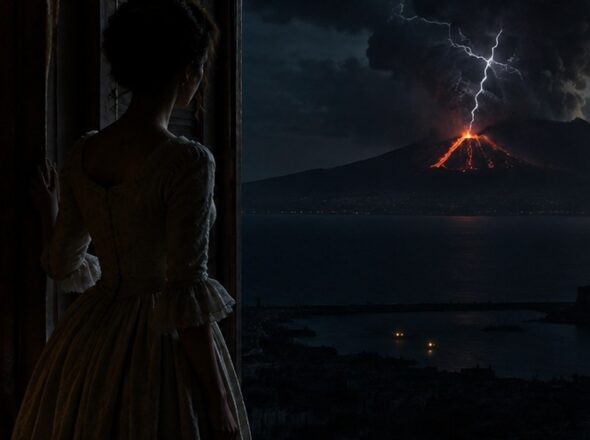
On the evening of 2 June, with the Duchess of Giovane, a cultivated young German lady.
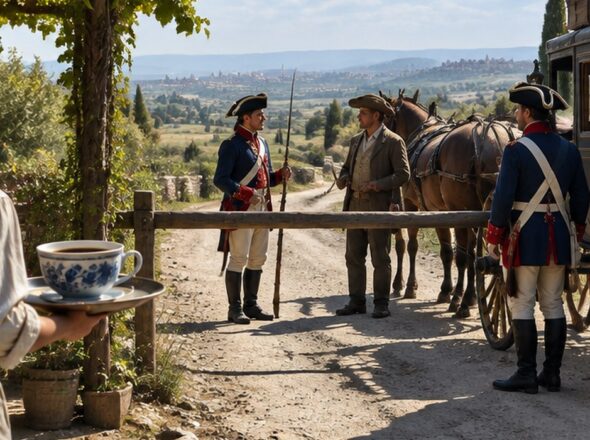
Goethe drives for the last time through the endless life of the city.