Goethe drives for the last time through the endless life of the city.
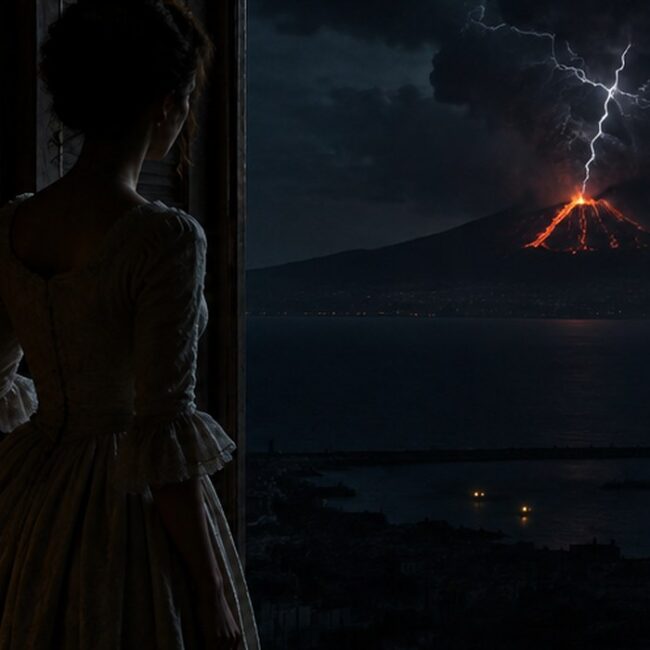
On the evening of 2 June, with the Duchess of Giovane, a cultivated young German lady.
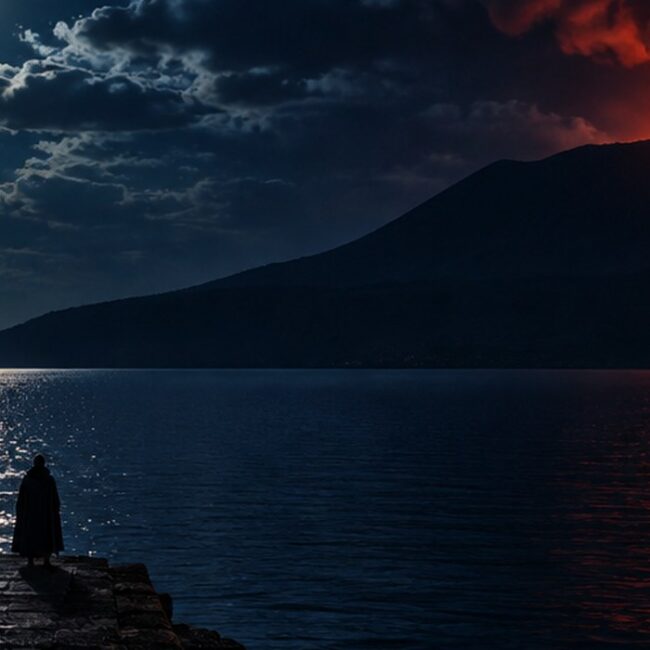
At night on the Molo, in a single glance: the moon, the clouds, the reflection on the sea, the lighthouse lamps, the fire of Vesuvius.
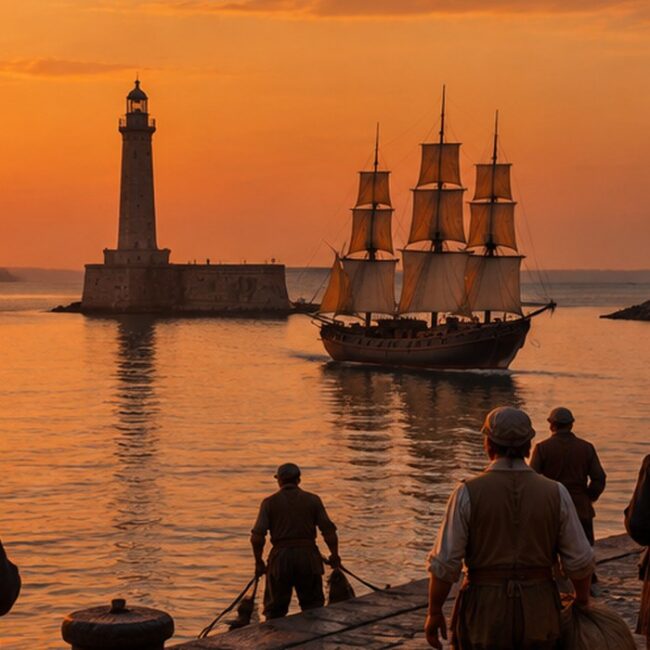
The corvette built in America, the cabin, the bills and farewells; the Marchese Berio eager to meet the author of Werther.
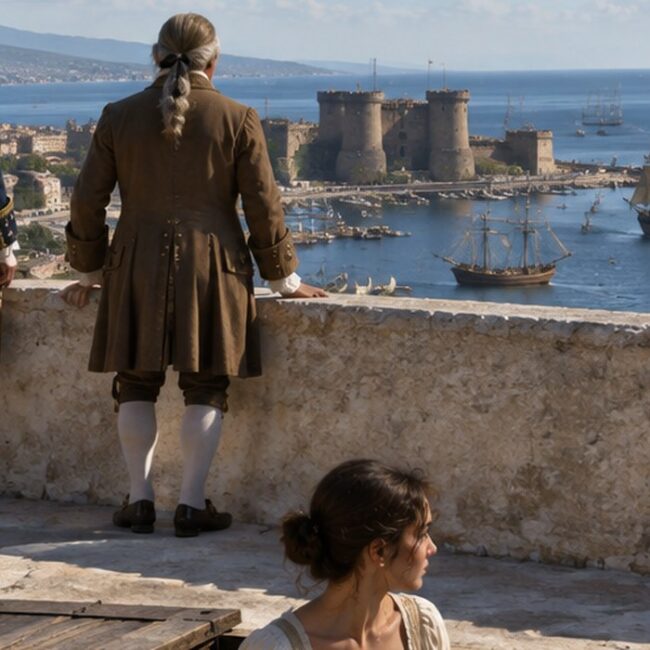
Tischbein proposes the young landscape painter Kniep as a permanent companion.
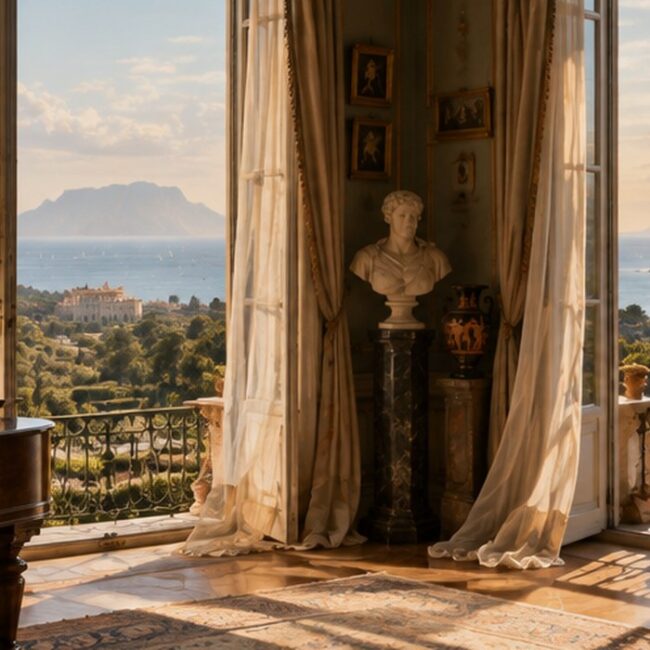
Hamilton has made a fine life for himself: rooms in the English taste and a corner view perhaps unique, and after ranging through every realm of creation he has arrived at a beautiful woman.
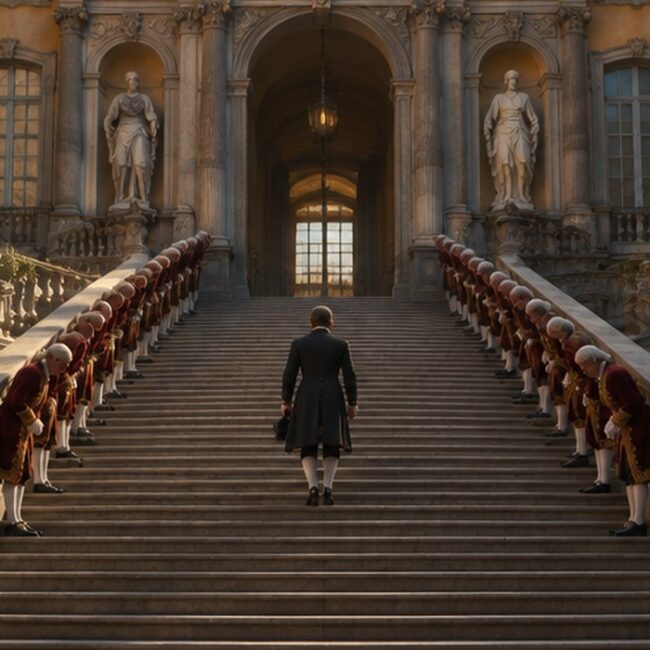
Believing her as poor as the Filangieris, Goethe finds himself in the little princess's sumptuous palace, with liveried servants lining the stairs: he feels like the sultan in Wieland's fairy tale.
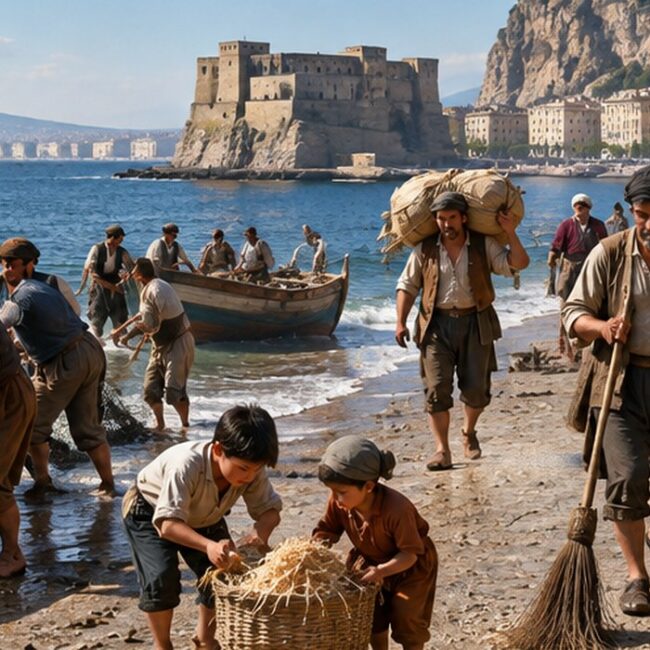
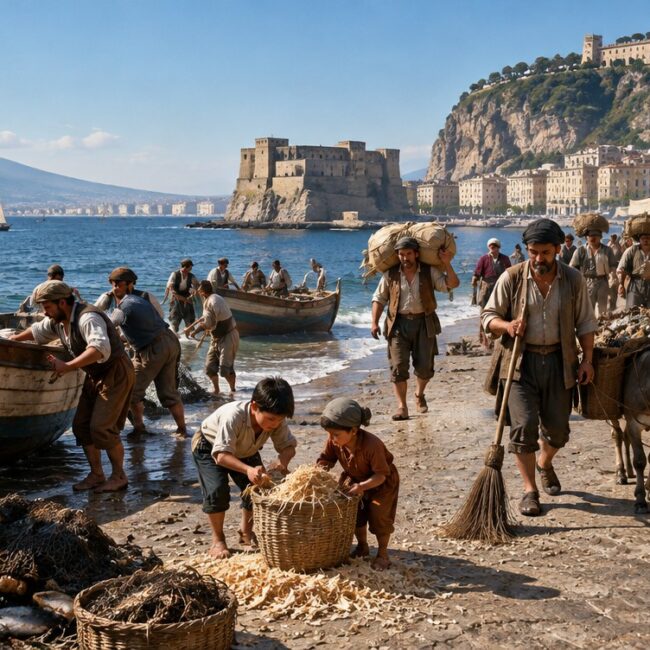
Against Volkmann's guidebook and its «forty thousand idlers», Goethe goes hunting for lazzaroni and finds only people at work: porters, fishermen, children gathering wood shavings, street sweepers with their donkeys.
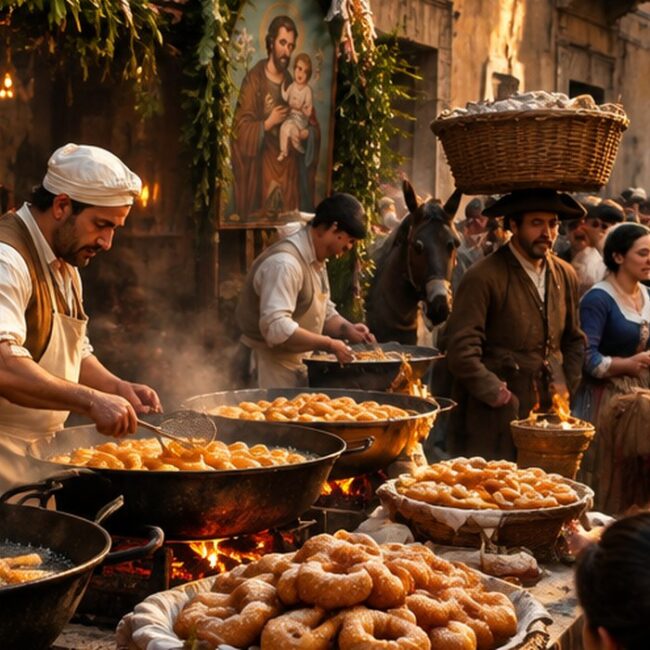
Boys soaking up the last warmth of a wheel-rim heated on the paving, the boundless crowd in which Goethe feels alone and calm, the blood of San Gennaro against the nearby inferno, a Pulcinella quarrelling with a monkey on the Molo and the fritter-makers of St Joseph's Day: the people of Naples in March.
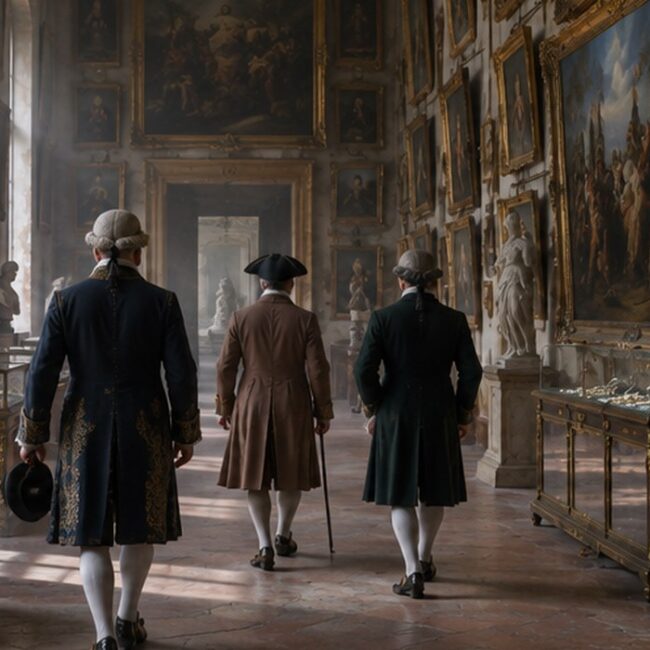
With the Prince of Waldeck to the great collection of paintings, coins and gems at Capodimonte.
- 1
- 2