
Teresa Filangieri Fieschi Ravaschieri, Princess of Satriano

  • Stages: 2

18th century

The "little princess" of the Italian Journey, lively and irreverent, who laughs at monks and prejudices over dinner, invites Goethe and teases him. Goethe withholds her name and says only, years later, that she was Filangieri's sister. Benedetto Croce identified her in 1903: she is Teresa, the youngest of Gaetano's sisters, wife of the old prince Filippo Fieschi Ravaschieri di Satriano, who held lands in Calabria; the dinner took place at Palazzo Satriano. Family tradition, Croce reports, has it that she died mad.

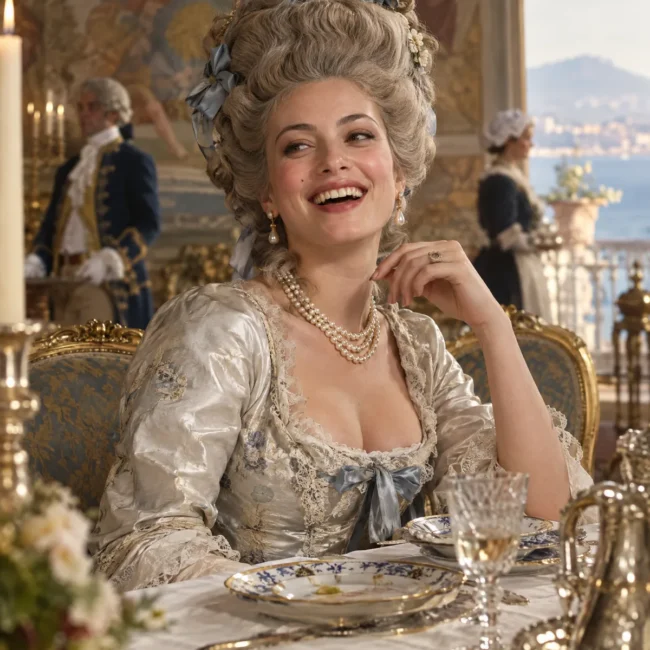
Main image: AI reconstruction (SPUN, 2026). No portrait survives: the face is imagined.

Teresa Filangieri Fieschi Ravaschieri, Princess of Satriano
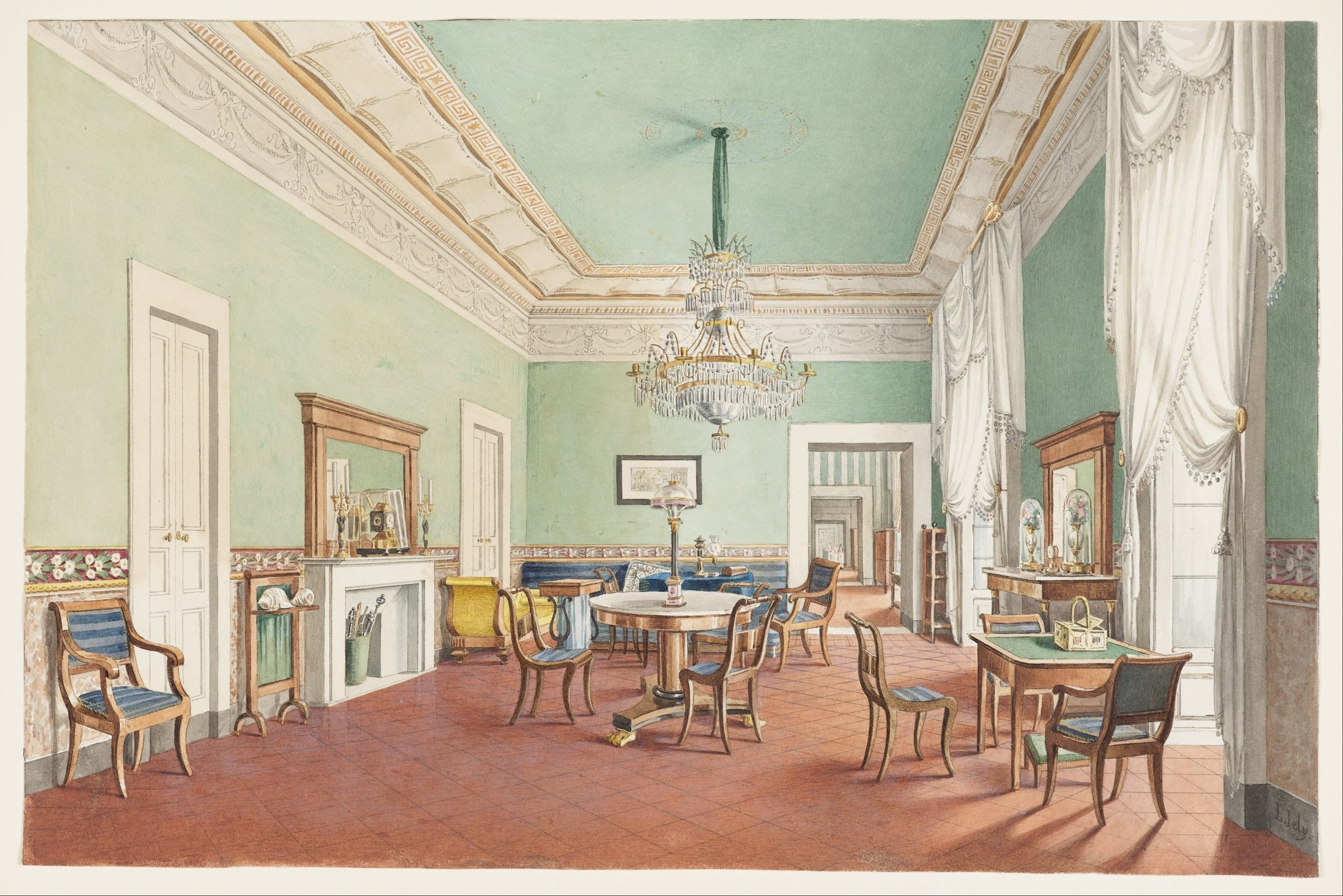
The period image. L. Iely, a salon in Palazzo Satriano, Naples, watercolour, 1829 (Cooper Hewitt). Public domain.

Sources: J. W. Goethe, Italienische Reise; B. Croce, Goethe a Napoli (1903).

Teresa Filangieri Fieschi Ravaschieri, principessa di Satriano (ricostruzione AI)

Believing her as poor as the Filangieris, Goethe finds himself in the little princess's sumptuous palace, with liveried servants lining the stairs: he feels like the sultan in Wieland's fairy tale.

Palazzo Ravaschieri di Satriano, Riviera di Chiaia at Via Calabritto, Naples
The portrait of Cavaliere Filangieri, author of the Science of Legislation: soldier, cavalier and man of the world, tempered by fine moral feeling.

Museo Civico Gaetano Filangieri, Via Duomo 288, 80138 Napoli