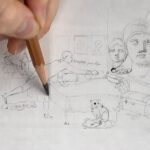
Without a word to anyone, and under an assumed name, Goethe steals out of Karlsbad at three in the morning in the late summer of 1786 and heads south. In Rome he settles into an apartment that is something close to a German artists’ commune. Johann Heinrich Wilhelm Tischbein — painter, companion in every Roman discovery and his fellow lodger at Via del Corso 18 — sketches him incessantly: reading while balanced on a chair, or stretching out an arm as though caught mid-dance. And one morning he captures him thus: seen from behind, in slippers, leaning out of the window. Outside lies Rome. Inside stands a man who has stopped running, and has been born anew.
From this vantage point, history especially is read differently from anywhere else in the world. In other places one reads from the outside in, here we imagine we are reading from the inside out, everything lies spread around us and also extends out from us.
Rome, 1786
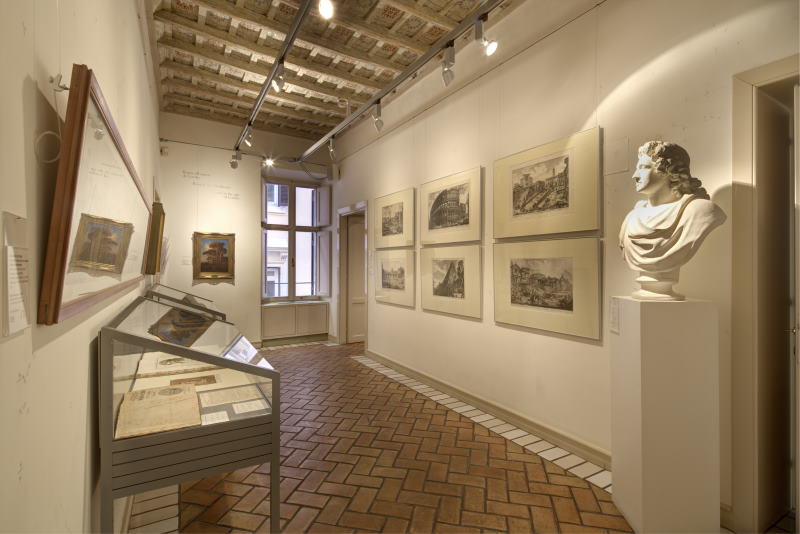
Today that apartment is the Casa di Goethe — the only German museum outside Germany. The window is still there. And whenever someone pauses before it — a tourist, a student, a passing visitor — they repeat, unawares, the same ancient gesture: looking out, and finding themselves within.